Asian Jumping Worm Life Cycle
Jumping worms are parthenogenic. The lifecycle of jumping worms is very different from that of European earthworms.
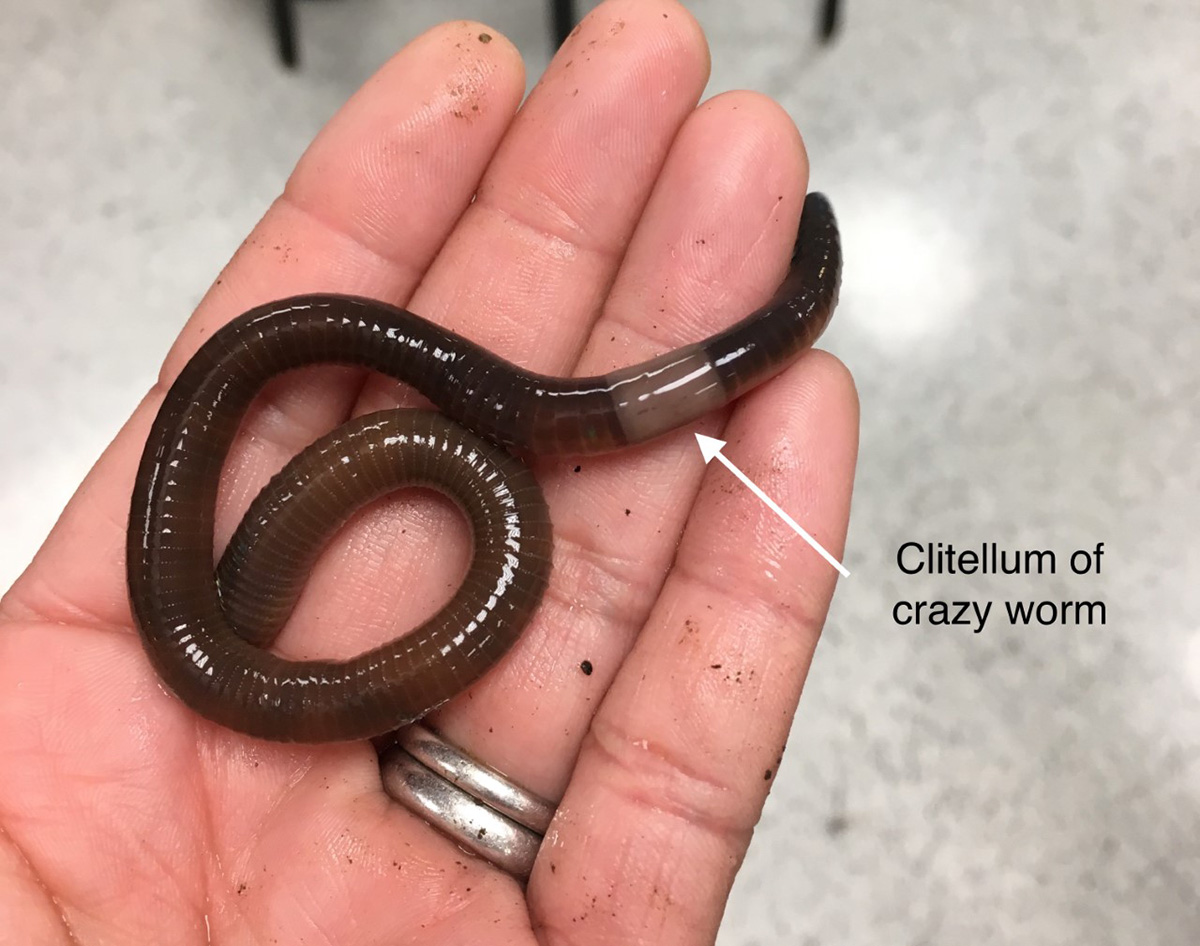 Pests Wildlife A New Can Of Worms Asian Jumping Worms Announce University Of Nebraska Lincoln
Life Cycle Mature jumping worms reproduce asexually by depositing egg-filled cocoons into its surroundings.

Asian jumping worm life cycle. At each first freeze adult worms die with eggs protected in cocoons during winter. This behaviour is thought to be a survival tactic to avoid ending up as a predators lunch. Asian jumping worms which include 51 species in the genus Amynthas including Amynthas agrestis and Amynthas tokioensis are non-native to the United States and feed on leaf litter and mulch and the soil they leave behind is dry and grainy like coffee grounds which deprives trees and other plants of essential nutrients.
It appears that jumping worms do not survive as worms through the winter in the Midwest. Throughout spring months worms hatch where they feed and grow to maturity approximately 60 days. European earthworms typically live through several.
When the worms reproduce in the fall they produce cocoons that drop to the soil and survive the winter. Cocoons survive the winter in the soil and hatch in the spring developing rapidly to adulthood 60 days by the end of the summer. Are native to eastern Asia.
Jumping worms are parthenogenic. It appears that jumping worms do not survive as worms through the winter in the Midwest. Cocoons are about the size shape and color of mustard seeds and cannot be easily detected in the soil.
They can deplete soil of nutrients damage plant roots and alter the soils water holding capacity. 2 inhabit the soil surface directly below the leaf litter layer rather than dwelling in deeper soil layers. Asian jumping worms.
19102020 Jumping worms live up to their name. Any treatment at or above 40 degrees Celsius 104 degrees Fahrenheit killed all jumping worm cocoons in just three days. 27092019 Visually the worms will vary based on the time of year.
Cocoons are about the size shape and color of mustard seeds and cannot be easily detected in the soil. The cocoons which are about the size of a mustard seed will survive the winter and hatch in mid-April after temperatures reach 50F for a consistent period. Jumping worms Amynthas agrestisJumping worms known also as Asian jumping worms crazy worms Alabama jumpers and snake worms are invasive earthworms first found in Wisconsin in 2013Native to eastern Asia they present challenges to homeowners gardeners and forest managers.
Each worm can reproduce on its own without mating. This amazing process starts every Spring when a deciduous shrub native only to Mexico begins to bloom. It takes roughly 60 days for a jumping worm.
3 are parthenogenic which means they can self-fertilize. If you see a large worm in March or April this will not be an invasive worm because invasive worms have an annual life cycle. Jumping worms live through only one growing season.
Adults die each winter but not before they produce without needing to mate multiple cocoons in the fall. The lifecycle of jumping worms Amynthas spp is very different from that of European earthworms. The Jumping Beans Life Cycle.
Discovery of jumping worms is usually in August and September when worms. After hatching in late June each worm begins reproducing. Invasive jumping worms have an annual life cycle.
And 4 have an annual life cycle and mature at the same time near the end of summer. The cocoons hatch to start the cycle over and the population builds rapidly through two generations per season. Adults live through only one growing season and die in winter but their larvae overwinter as small cocoons in the soil or leaf litter.
Egg-filled cocoons shed the previous year by adult jumping worms survive winter in the soil and begin hatching in the spring. Each worm can reproduce on its own without mating. There are always some larvae ready to hatch in the cocoons.
Even if a bird were to grab them they might only get that back part and the worm. 13032019 Unlike other worms Asian jumping worms can reproduce without mating and though they die each winter they leave behind lots of cocoons which look like little black seeds and are commonly moved undetected in soil and compost. 02082018 Asian jumping worms are an annual speciesthe adults die after the first freeze.
The female Jumping Bean moth Laspeyresia saltitans lays her eggs on the immature ovaries capsules of the shrubs flower. Invasive jumping worms have an annual life cycle. Because of variation in how hot their incubation ovens actually got Herrick and Johnston pinpoint the lethal temperature to.
Their life cycle lasts 60 days so we can. Jumping worms reach maturity within 60 days. The shrub is known as Sebastiana pavoniana which grows on rocky desert slopes in the states of Sonora.
If they cant wiggle their way out of a predators grasp jumping worms have the ability to break off the back part of their tail as an escape mechanism. Jumping worms get their name from their behaviorwhen handled they thrash violently may jump into the air or shed their tails. The jumping worms are different from other earthworms found in Wisconsin because they 1 originate from East Asia not Europe.
Those cocoons hatch in the warmth of spring maybe somewhere new. When the worms reproduce in the fall they produce cocoons that drop to the soil and survive the winter. Adults die each winter but not before they produce parthenogeneticallywithout mating multiple cocoons in the fall.
Adults die each winter but not before they produce without needing to mate multiple cocoons in the fall. These quick-moving worms shake thrash and jump when handled. Jumping worms reach maturity within 60 days.
Jumping worms get their name from their behavior. Distribution Jumping worms arrived to the. Cocoons survive the winter in the soil and hatch in the spring developing rapidly to adulthood 60 days by the end of the.
The cocoons hatch to start the cycle over and the population builds rapidly through two generations per season. Adults die in winter but their larvae overwinter as microscopic cocoons in the soil or leaf litter which is why you dont see them right away in spring.
 Research Update Jumping Worms And Sleeping Cocoons Uw Arboretum
 Growers Live Dr Elaine Ingham 1 7 20 Youtube Food Web Soil Health Growers
 Got Worms The Captured Garden Worms Habitat Garden Design Soil Layers
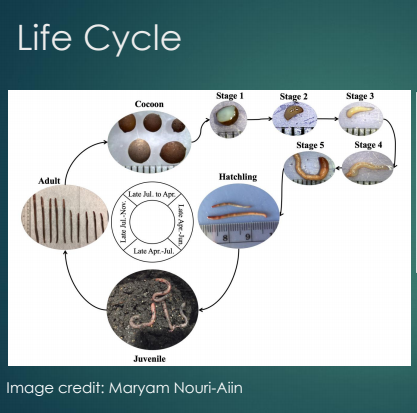 Jumping Worms Vermont Invasives
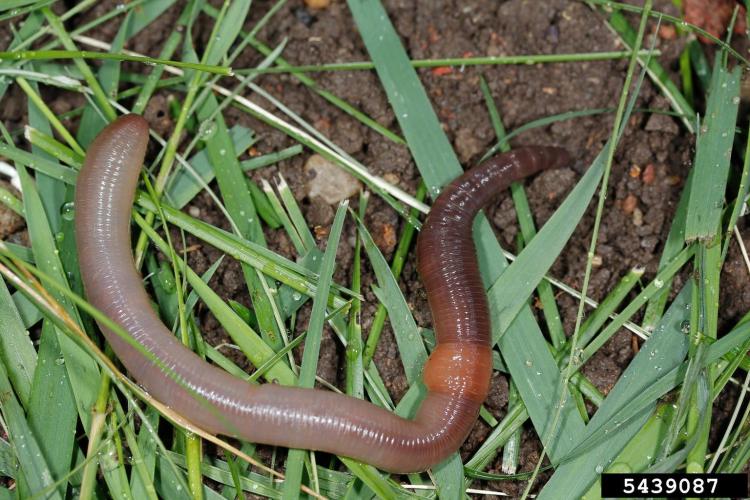 Jumping Worms Vermont Invasives
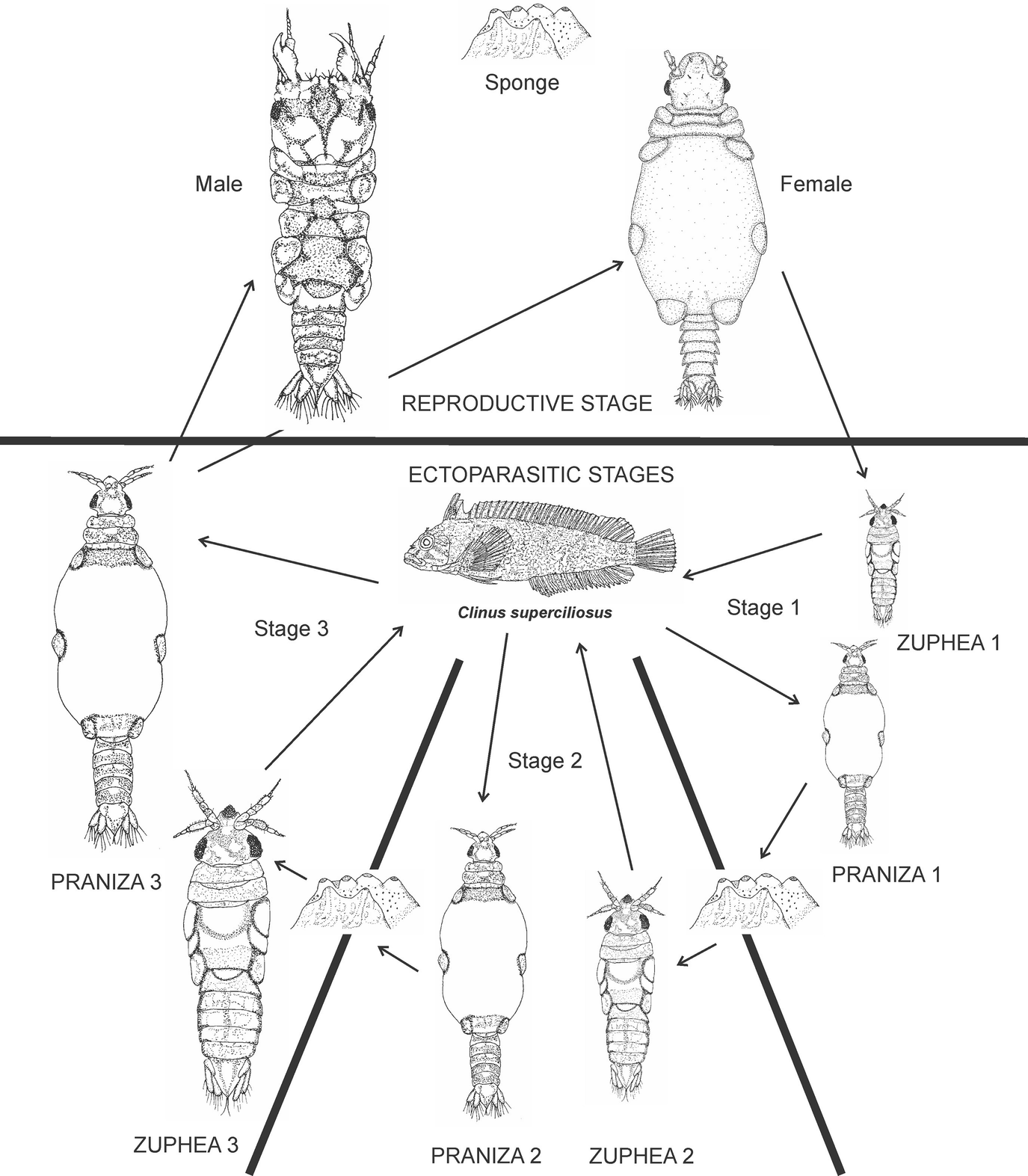 Life Cycle And Life History Strategies Of Parasitic Crustacea Springerlink
 Phylum Rotifera Pseudocoelomate Animals The Diversity Of Animal Life
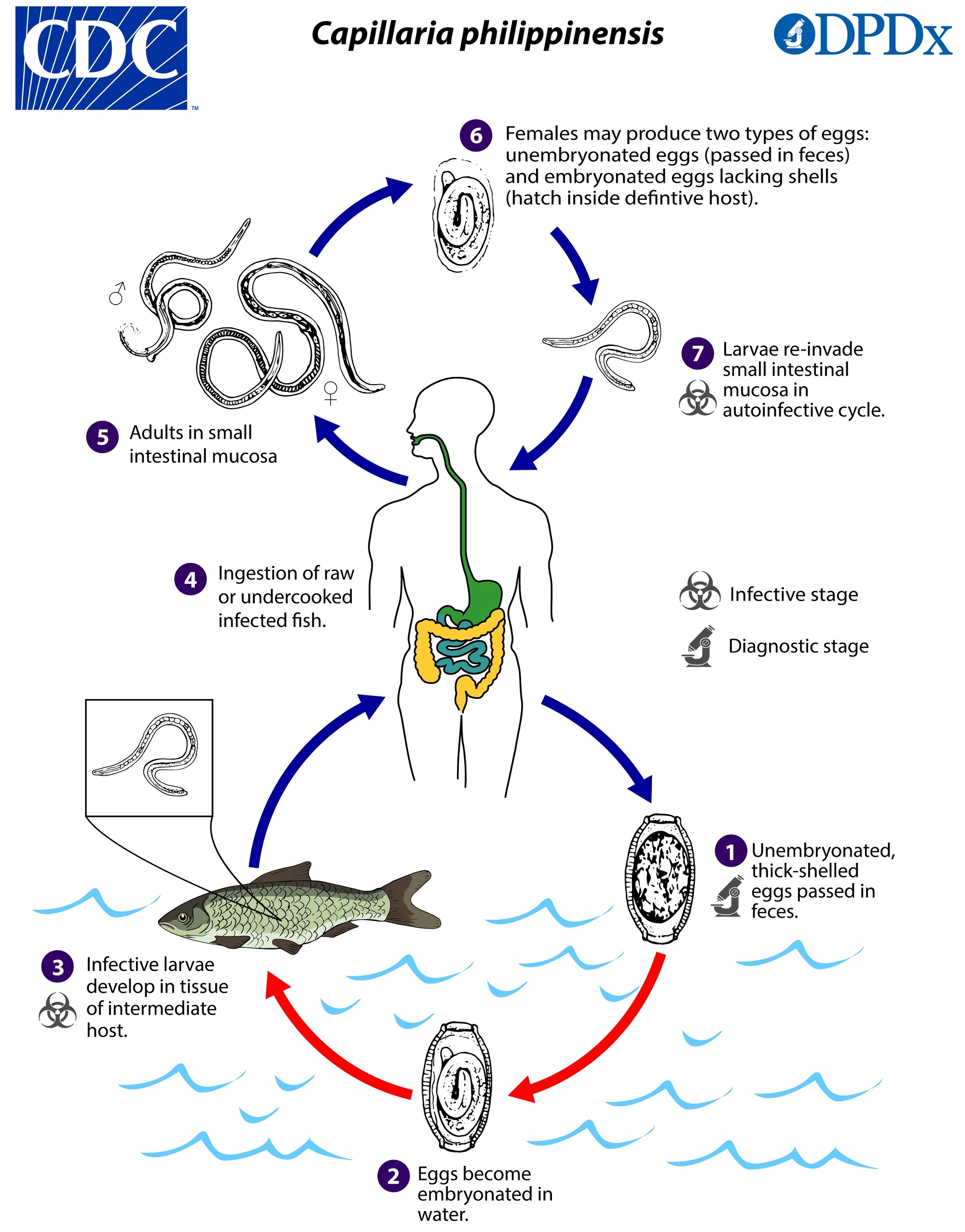 Cdc Capillariasis Biology Life Cycle Of Capillaria Philippinensis
 Kinorhyncha Marine Burrowing Worm Marine Invertebrates Nature Art
 Jumping Worms In Iowa Horticulture And Home Pest News
 Mycellium And Soil 02 Permaculture Soil Soil Health
 Research Update Jumping Worms And Sleeping Cocoons Uw Arboretum
 Jumping Worms In Iowa Horticulture And Home Pest News
 Research Update Jumping Worms And Sleeping Cocoons Uw Arboretum
 Learn About The Earthworm Backgrounds On Worms Arthropods Teaching Arthropod Earthworms Arthropods Worms
 Insect Life Cycles And More Butterfly Images Butterfly Photos Insects

 Research Update Jumping Worms And Sleeping Cocoons Uw Arboretum

Post a Comment for "Asian Jumping Worm Life Cycle"